


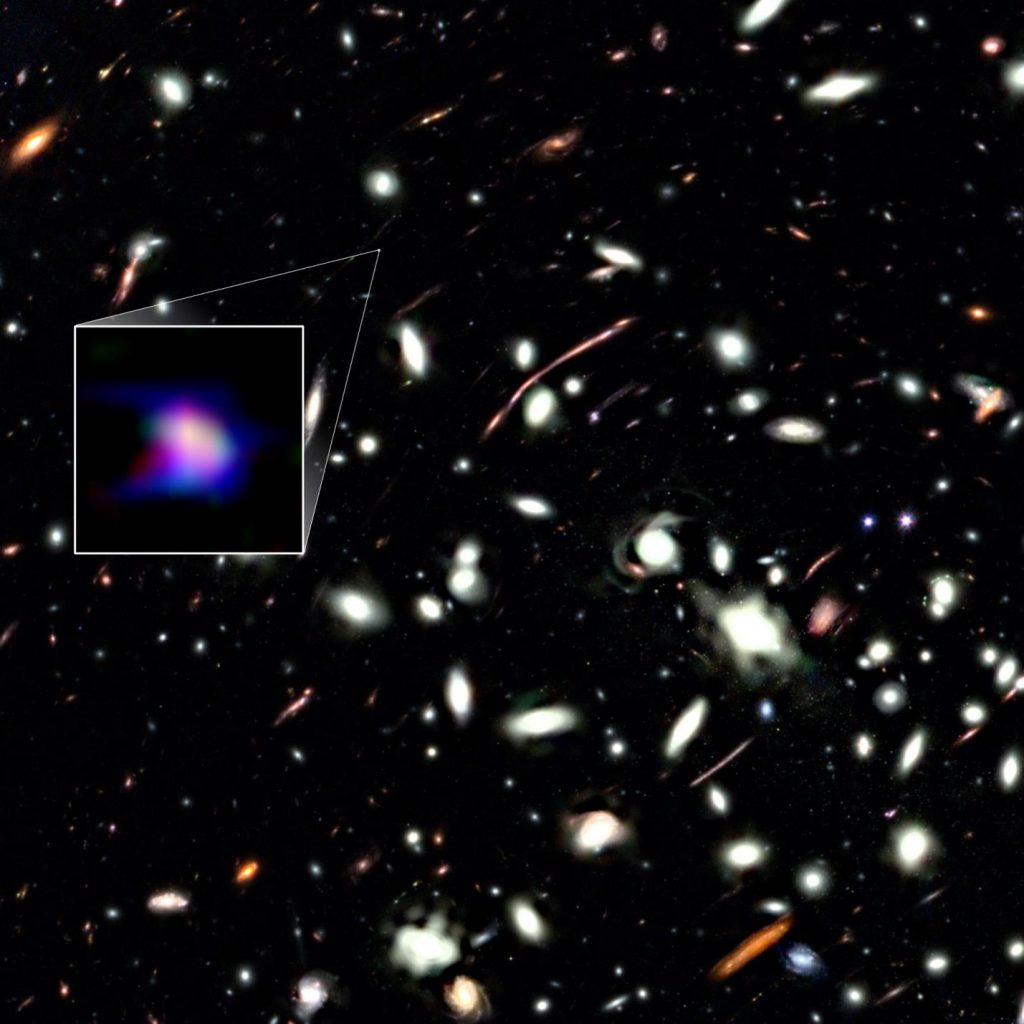
Figure 1: Revealing the Nature of the Ultra-Faint Galaxy LAP1-B through a Giant “Gravitational Lens”
(Background) An image of the massive galaxy cluster MACS J0416, captured by the James Webb Space Telescope’s (JWST) Near-Infrared Camera (NIRCam).
(Inset) A three-color composite image of LAP1-B in “velocity space,” created from JWST Near-Infrared Spectrograph (NIRSpec) data. Because this galaxy contains very few stars and is extremely faint, it is invisible in the standard background camera image (NIRCam). However, high-sensitivity spectroscopic observations successfully captured the faint light (emission lines) emitted by hydrogen and oxygen gas. In this inset, the horizontal axis represents the motion (velocity) of the gas, while the vertical axis shows its spatial extent, visualizing the distribution of different elements (Blue: Hydrogen Lyα; Green: Oxygen [OIII]; Red: Hydrogen Hα). For visual clarity in comparing the element distributions, the Lyα emission is shown with a velocity offset of 200 km/s.
© NASA, ESA, CSA & K. Nakajima et al., Nature
Short description:
An international team led by Associate Professor Kimihiko Nakajima of Kanazawa University has captured a rare look at the early universe. Using the James Webb Space Telescope (JWST *1) and the power of a gravitational lensing (* 2) in space, the team achieved a definitive characterization of LAP1-B, an ultra-faint galaxy from 13 billion years ago. Expanding upon initial detections, this new study utilized deep JWST spectroscopy to reveal a record-breaking low oxygen abundance (* 3) — merely 1/240th that of the Sun. This chemically primitive state, coupled with an elevated carbon-to-oxygen ratio and a dominant dark matter halo, suggests that LAP1-B is the long-sought “ancestor” of the mysterious fossil galaxies found near our Milky Way today, providing a historic window into the earliest, most primitive stages of galaxy assembly.
Content:
The Quest for the Universe’s First Ingredients:
Just after the Big Bang, the universe was simple, containing only light elements like hydrogen and helium. The heavier elements necessary for life, such as oxygen and carbon, did not yet exist; they were forged much later inside the hearts of the very first stars. For decades, astronomers have tried to find the moment these “first-generation stars” (* 4) began scattering the seeds of life across the cosmos. However, the earliest galaxies hosting such young, primordial stars have remained so small and faint that seeing their chemical makeup was considered nearly impossible — until now.
A Record-Breaking Discovery:
The research team focused on a tiny, ultra-faint galaxy named LAP1-B (Figure 1). Its light was magnified 100 times by a phenomenon called “gravitational lensing,” where the gravity of a massive galaxy cluster acts like a giant telescope lens. By staring at this spot for over 30 hours with the JWST and conducted deep spectroscopy (* 5), the team determined that the galaxy’s oxygen abundance is roughly 1/240th that of the Sun (Figure 2).
“I was instantly thrilled by the extreme lack of oxygen revealed in the data,” says Associate Professor Nakajima, the research team leader. “Finding a galaxy in such a primitive state is astonishing. It’s a chemical signature that clearly indicates a primordial galaxy caught in the moments shortly after its formation.”
The Fingerprints of the First Stars:
Beyond its primitive nature, the galaxy exhibited a high carbon-to-oxygen abundance ratio (Figure 3). This unique chemical fingerprint — the specific ratio of elements — aligns closely with theoretical predictions for the material dispersed by the explosions of the universe’s first-generation stars.
“Usually, we act like ‘cosmic archaeologists,’ trying to guess the past by looking at old stars in our own neighborhood. But now, we can analyze the gas directly from the original scene 13 billion years ago,” emphasizes Nakajima. “We are witnessing the moment when a galaxy first inherited the chemical building blocks created by the universe’s earliest stars.”
Solving the Mystery of “Cosmic Fossils”:
The team also discovered that LAP1-B is incredibly lightweight — less than 3,300 times that of the Sun — implying that most of the galaxy consists of invisible dark matter (* 6). This feature, together with its unique chemical makeup (Figure 3), makes it a near-perfect match for the “Ultra-Faint Dwarf galaxies (UFDs)” (* 7) found near our Milky Way today. “UFDs are not only the faintest galaxies; they are composed of ancient stars over 12 billion years old and are often described as ‘fossils of the universe,'” explains Professor Masami Ouchi (NAOJ/University of Tokyo), a member of the research team. “Astronomers suspected they might be the remains of the universe’s earliest galaxies because they lack heavy elements, but astronomers never had a direct link – until we found LAP1-B.” Professor Ouchi continues: “It is a profound surprise to find that LAP1-B looks exactly like the ‘ancestor’ we had only imagined in theories. This helps us solve the mystery of why these cosmic fossils have survived in their current form to the present day.”
A Historic Step Forward:
This discovery establishes a new way to map the birth of elements and the formation of the universe’s oldest structures. Moving forward, the team will use the JWST to search for even more primitive objects, aiming to find the very first galaxies ever formed.
Associate Professor Nakajima concludes: “We hope this discovery marks a historic step in understanding how the elements that make up our own bodies were first born and accumulated across the Universe.”
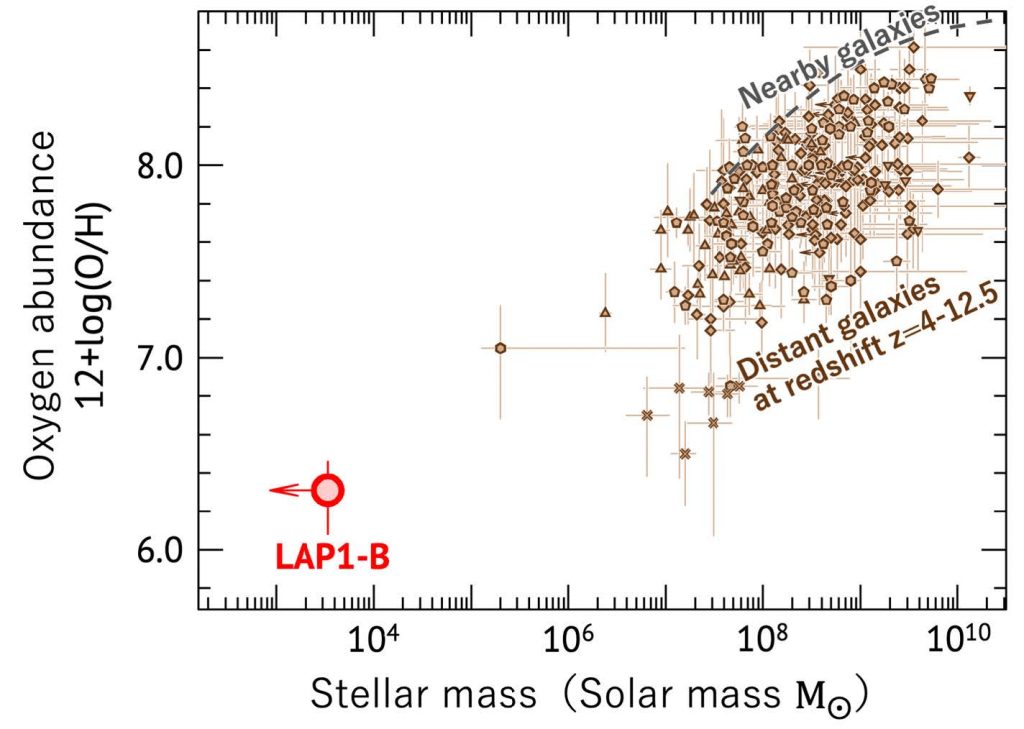
Figure 2: Relationship between Stellar Mass and Oxygen Abundance
This diagram illustrates the relationship between the total stellar mass (horizontal axis) and the oxygen abundance (vertical axis) of galaxies. The brown symbols represent previously discovered distant galaxies, while the dashed line indicates the trend observed in nearby galaxies in the modern universe. The target of this study, “LAP1-B” (red circle), has an exceptionally low stellar mass compared to other galaxies. Its oxygen abundance is approximately 1/240th that of the Sun, marking a record-breaking low for any star-forming galaxy ever observed. This overwhelmingly low oxygen abundance indicates that the galaxy is at an extremely primitive stage, predating significant chemical evolution.
© K. Nakajima et al., Nature
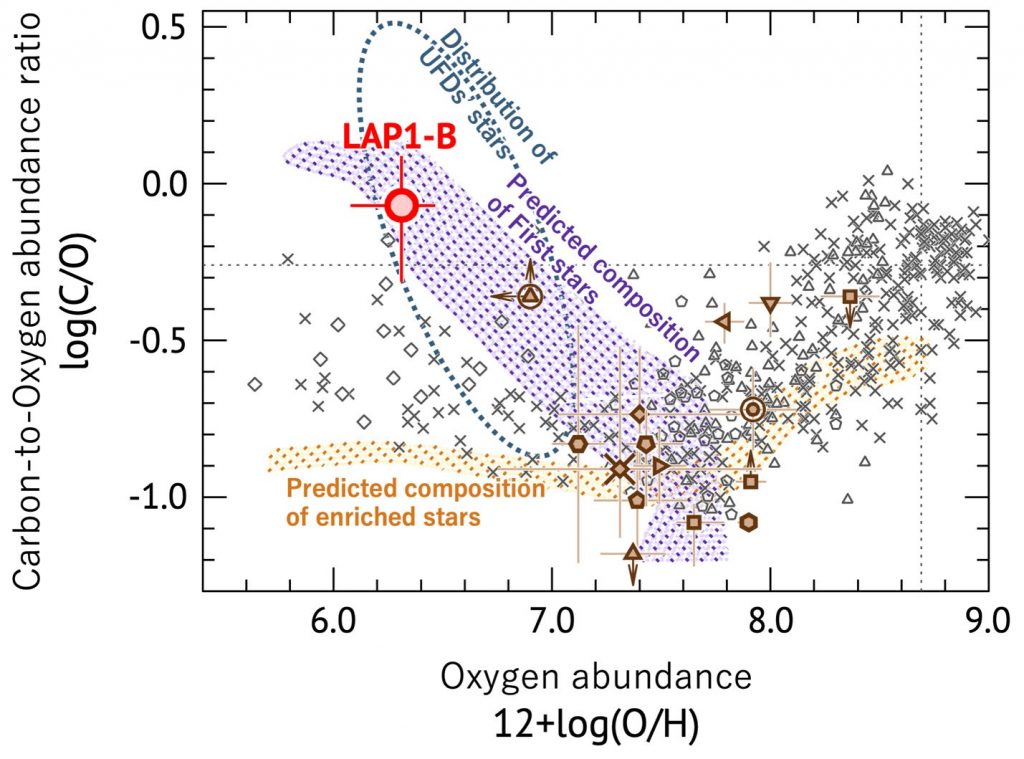
Figure 3: Relationship between Oxygen Abundance and Carbon-to-Oxygen Abundance Ratio (C/O)
This diagram compares the oxygen abundance (horizontal axis) with the ratio of carbon to oxygen (vertical axis) in various astronomical objects. LAP1-B (red circle) is characterized by an exceptionally low oxygen content combined with a notably high carbon ratio. This chemical composition aligns remarkably well with theoretical predictions for the material dispersed by the explosions of the universe’s first-generation stars (purple shaded region). This suggests that we may have captured the very moment when elements forged by the first stars were inherited by a galaxy for the first time. For comparison, the background grey symbols represent ancient stars in our Milky Way (crosses) and data from massive cosmic gas clouds known as Damped Lyman-alpha systems (DLAs) (diamonds). The area enclosed by the blue line represents the stellar distribution within present day’s UFDs, confirming that LAP1-B possesses a nearly identical chemical composition. LAP1-B offers the first example of these characteristics being confirmed in an active star-forming “galaxy” as far back as 13 billion years ago. In contrast, LAP1-B sits far outside the predicted range for “subsequent generations of enriched stars” (orange shaded region), highlighting its extraordinary nature.
© K. Nakajima et al., Nature
Publication Information:
Journal: Nature Title: “An Ultra-Faint, Chemically Primitive Galaxy Forming in the Reionization Era”
Publication Date: May 13, 2026 (Online) / May 14, 2026 (Print)
Click here to see the press release【Japanese only】
Research Team Members:
The study was conducted by an international collaboration of researchers, including:
Kimihiko Nakajima (Kanazawa University)
Masami Ouchi (National Astronomical Observatory of Japan / University of Tokyo)
Yuichi Harikane (University of Tokyo)
Eros Vanzella (INAF – OAS Bologna)
Yoshiaki Ono (University of Tokyo)
Yuki Isobe (University of Cambridge)
Moka Nishigaki (SOKENDAI)
Takuji Tsujimoto (National Astronomical Observatory of Japan)
Fumitaka Nakamura (University of Tokyo / National Astronomical Observatory of Japan)
Yi Xu (University of Tokyo)
Hiroya Umeda (University of Tokyo)
Yechi Zhang (Caltech)
Acknowledgements & Funding:
This research was supported by the following organizations and grants:
Japan Society for the Promotion of Science (JSPS): KAKENHI Grants (No. JP20K22373, JP24K07102, JP20H00180, JP21H04467, JP25H00674, JP24H00245, JP24KJ0202, JP23H00132)
Japan Science and Technology Agency (JST): Grant JPMJFS2136
National Institute for Astrophysics (INAF): GO Grants 2022 (“The revolution is around the corner: JWST will probe globular cluster precursors and Population III stellar clusters at cosmic dawn”) and 2024 (“Mapping Star Cluster Feedback in a Galaxy 450 Myr after the Big Bang”)
European Union: NextGenerationEU (PRIN 2022 project n.20229YBSAN)
Notes:
(*1) James Webb Space Telescope (JWST)
Launched in 2021, the JWST is the largest and most powerful infrared space telescope ever built.
(* 2) Gravitational Lensing
A phenomenon where the gravity of a massive object (like a cluster of galaxies) bends and magnifies the light from more distant objects behind it. Acting like a “natural magnifying glass” in space, it allows astronomers to observe incredibly faint, distant galaxies that would otherwise be invisible.
( *3) Oxygen Abundance
The ratio of the number of oxygen (O) to that of hydrogen (H), denoted as (O/H). Since hydrogen has existed since the birth of the universe, it serves as a universal yardstick. Measuring oxygen levels allows scientists to determine how much a galaxy has “matured” chemically over cosmic time.
(* 4) First-Generation Stars (Population III Stars)
The very first stars to ever shine in the cosmos. Unlike modern stars, they contained no heavy elements (like oxygen or carbon). Their birth ended the “Cosmic Dark Ages” and initiated the first production of elements necessary for the eventual formation of planets and life.
(* 5) Spectroscopy
A method of splitting light from a celestial object into its component colors (a spectrum), much like a prism creating a rainbow. By analyzing these “barcodes of light,” astronomers can identify the types and amounts of elements present, the object’s distance from Earth, and its motion through space.
(* 6) Dark Matter
An invisible form of matter that does not emit light but makes up the vast majority of the universe’s mass. In the case of the galaxy LAP1-B, the discovery that dark matter overwhelmingly outweighs its stars and gas was a key piece of evidence in identifying it as an ancestor of “Ultra-Faint Dwarf galaxies.”
(* 7) Ultra-Faint Dwarf Galaxies (UFDs)
Extremely dim, small galaxies found in the neighborhood of our Milky Way. Containing very few stars, they are essentially “cosmic fossils” that have remained unchanged for over 12 billion years, preserving precious information from the early universe.
Link
Kanazawa University
National Astronomical Observatory of Japan
Nature


